

SEE CLEARLY. ANYWHERE. ANYTIME.
For a limited time, purchase a complete pair of glasses with anti-reflective lenses and receive 50% OFF lenses in your second pair*
Perfect time to add:
- Prescription sunglasses
- Computer glasses
- Readers
- Spare pair
Talk to our team about the best second-pair option for your lifestyle.
*Limited time promotion
50% OFF lenses in your second pair*
OUR SERVICES
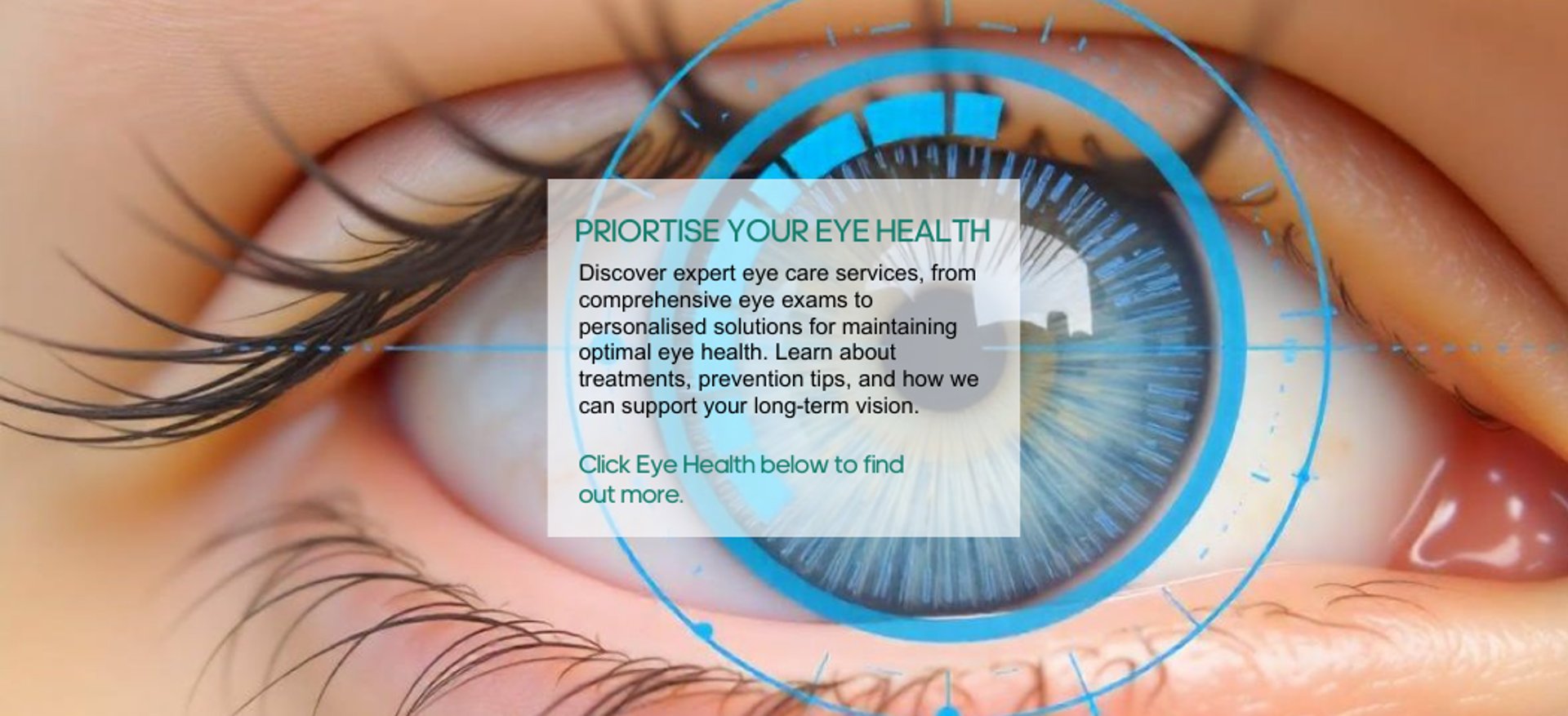
Mercury Bay Optometrists offers comprehensive Eyecare services and premium eyewear tailored to your needs. Our expert team is dedicated to providing personalised solutions that prioritise your eye health and visual comfort, ensuring you receive a personalised solution delivered with care and precision.
Our optometry services include full eye examinations, advanced diagnostic testing, and personalised solutions for myopia management, paediatric vision, and contact lens fittings.
We also offer vision therapy, pre-and post-surgery care, and assessments for police, maritime, and driver’s licences.
Click below to explore our complete range of services and book your appointment.
Trusted Dispensing
Find the perfect eyewear with personalised guidance from our friendly experienced team. We offer expert advice on frame and lens selection, including options for contact leans, safety eyewear, and prescription sunglasses.
Our services also include professional fittings, repairs, and advice on maintaining your glasses for optimal comfort and vision.
Click below to learn more and explore our complete range of dispensing services.
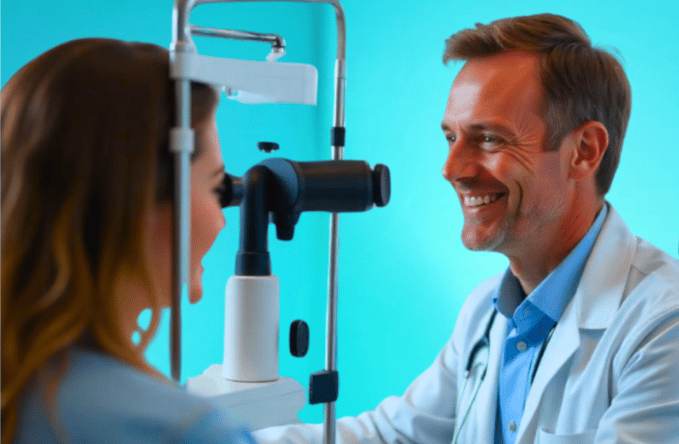
Dr. Chris Murphy, a highly reputable and experienced ophthalmologist, visiting Mercury Bay Optometrists every two weeks to provide advanced eye care and surgical consultations.
His services include pre- and post-operative care for cataract and pterygium surgeries, laser treatments, intravitreal injections, and minor eyelid procedures.
Call our friendly team to book your appointment and access expert care close to home.
Specialist Ophthalmology
Expert Optometry



ABOUT US
Discover how Mercury Bay Optometrists has been a trusted part of the Whitianga community for over 15 years, now proudly owned by Lynette and Glen. With a fresh vision, we’re expanding services and hours while staying true to our mission of delivering expert eye care and personalised solutions.
Meet our friendly, highly skilled team and learn more about the values that drive us, discover more about our story — click below to learn more!





















28 Lee Street, Whitianga, Coromandel, 3510
07 866 5919
Hours: Monday to Friday 8.30 am to 5.00 pm
Follow us on
© 2026 Mercury Bay Optometrists. All rights reserved.